
Mandala Coloring Pages for Adults — Relaxation & Stress Relief
Explore mandala coloring pages for adults. Learn how mandalas reduce stress, improve focus, and provide a mindful creative outlet for relaxation.
 Marta Dexnis
Mandala Coloring Pages for Adults — Relaxation & Stress Relief
Mandala coloring has become one of the most popular forms of creative self-care for adults. These circular, symmetrical designs offer a structured yet expressive activity that quiets the mind, reduces stress, and produces genuinely beautiful finished artwork. If you have been curious about adult coloring or are looking for a new way to unwind, mandala coloring pages are an excellent place to start.
What Is a Mandala?
The word "mandala" comes from Sanskrit and means "circle." Traditionally, mandalas are geometric designs that radiate outward from a central point in symmetrical patterns. They have been used for centuries in Hindu and Buddhist traditions as spiritual symbols representing the universe, wholeness, and harmony.
In the coloring world, mandala designs borrow this circular, symmetrical structure and fill it with intricate patterns — petals, waves, geometric shapes, dots, and swirls. The result is a complex design that looks daunting at first glance but becomes meditative once you start filling it in, one section at a time.
The Science Behind Mandala Coloring and Stress Relief
How Coloring Reduces Anxiety
Research has shown that coloring intricate patterns can lower activity in the amygdala, the part of the brain involved in the fear and stress response. A study published in the journal Art Therapy found that coloring mandalas specifically was more effective at reducing anxiety than coloring on a blank page or coloring a plaid design.
The symmetry and repetition in mandalas seem to be key. The brain finds patterns soothing, and the predictable, repeating structure of a mandala allows you to enter a flow state — fully absorbed in the activity without the wandering thoughts that often fuel anxiety.
Mindfulness Through Coloring
Mandala coloring is often described as a form of active meditation. Unlike passive relaxation (watching television, scrolling through a phone), coloring requires just enough concentration to keep your mind engaged without overloading it. You are making small, deliberate decisions — which color comes next, how much pressure to apply, whether to blend or keep colors distinct — and this gentle mental engagement pushes out ruminative or anxious thoughts.
Choosing the Right Mandala Design
Simple Mandalas for Beginners
If you are new to mandala coloring, start with designs that have larger sections and fewer layers. These take less time to complete and let you experience the satisfaction of a finished piece without a huge time commitment. Look for mandalas with clear, well-defined shapes and moderate detail. Our mandala coloring pages collection includes designs for every skill level.
Complex Mandalas for Experienced Colorists
For those who want a deeper, longer coloring session, highly detailed mandalas with fine lines, tiny sections, and multiple concentric rings provide hours of focused work. These designs reward precision and patience, and the finished results are often stunning enough to frame.
Nature-Inspired Mandalas
Some of the most beautiful mandalas incorporate natural elements. Flower coloring pages often use mandala-like arrangements with petals radiating outward in symmetrical layers. Butterfly coloring pages with mandala patterning inside the wings combine organic shapes with geometric precision. These nature-mandala hybrids are popular because they feel organic and alive, even within the structured mandala format.
Color Theory Tips for Mandala Pages
Working with Color Harmonies
Understanding basic color harmony can elevate your mandala coloring from pleasant to breathtaking. Here are three approaches:
- Analogous colors — Choose 3-4 colors that sit next to each other on the color wheel (for example, blue, blue-green, green, and yellow-green). This creates a harmonious, soothing look.
- Complementary colors — Pick two colors from opposite sides of the wheel (blue and orange, purple and yellow). Use one as the dominant color and the other as an accent for a vibrant, energetic result.
- Monochromatic — Use different shades and tints of a single color. A mandala colored entirely in shades of teal or shades of purple looks sophisticated and cohesive.
Creating Depth with Light and Dark
Alternate between lighter and darker values as you move outward from the center. This creates a sense of depth and dimension that makes the flat design appear to lift off the page. A common approach is to make the center the lightest or the darkest and gradually shift as you work outward.
The Power of Leaving White Space
Not every section of a mandala needs to be filled. Intentional white space — leaving certain small areas or thin borders uncolored — adds breathing room to the design and makes the colored sections stand out more.
Coloring Tools for Mandalas
Fine-tipped tools work best for detailed mandala designs. Fine-point colored pencils (like Prismacolor or Polychromos) give the most control in small spaces. Fine-tip markers (0.3-0.5mm) deliver precise, vibrant color but require a steady hand. Gel pens, especially metallic and white gel pens, are excellent for adding accents and highlights on top of completed sections.
For larger mandala designs, standard colored pencils work well. The key is to match the tool width to the section size — you want enough control to color neatly within each shape without frustration.
Create Your Own Mandala Coloring Pages
For endless variety, use our AI Coloring Page Generator to create custom mandala designs. Describe the style you want — "a mandala with flower petals and geometric center," "a mandala inspired by ocean waves," or "a simple mandala with large sections for beginners" — and get a unique design tailored to your preferences.
If you want a guided experience, our Color by Number Generator can assign numbers to each section of a mandala, taking the decision-making out of the equation and letting you focus purely on the relaxing act of coloring.
Making Mandala Coloring a Regular Practice
The benefits of mandala coloring increase with consistency. Set aside 15-30 minutes a few times a week as your dedicated coloring time. Keep your supplies organized and accessible so there is no barrier to starting. Many people find that evening coloring sessions help them wind down before sleep, while others prefer a midday break to reset during a busy day.
Browse our mandala coloring pages to build your collection, and discover how this simple, accessible practice can bring calm focus and creative satisfaction to your daily routine.
Related coloring pages
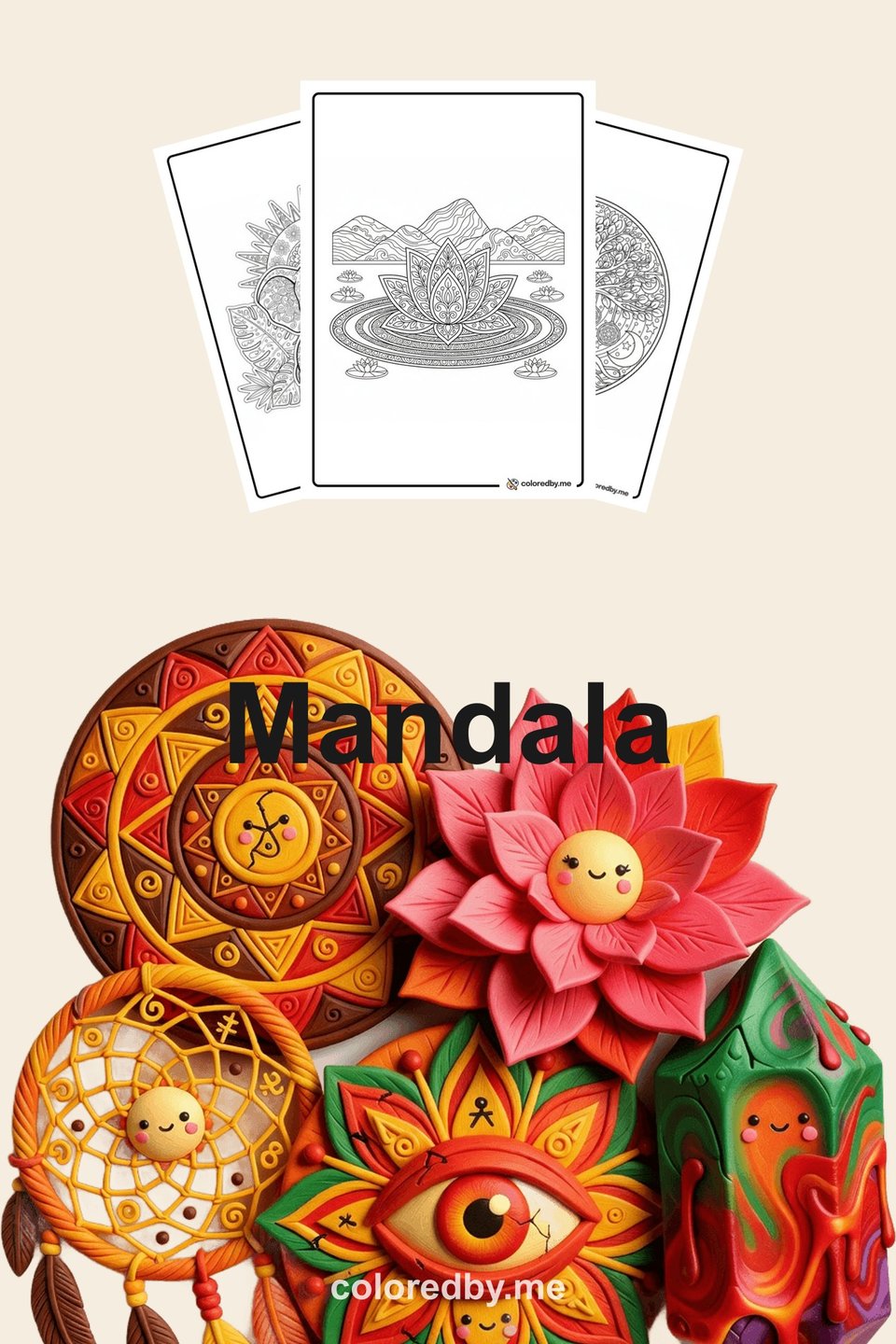
Mandala
Free printable mandala coloring pages for adults. Intricate geometric patterns, relaxing symmetrical designs for stress relief.
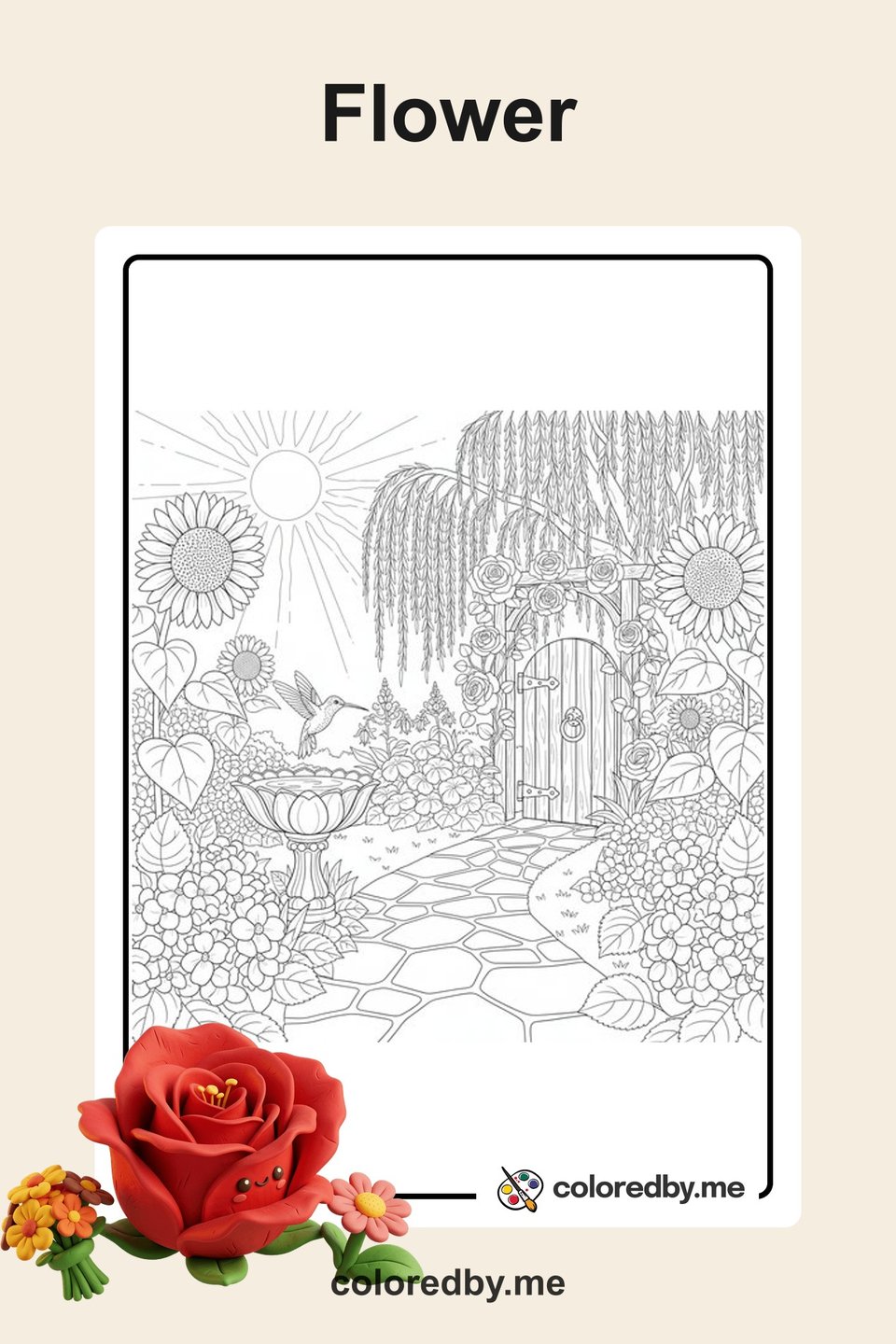
Flower
Free printable flower coloring pages for kids and adults. Roses, sunflowers, bouquets, and beautiful garden designs to download and color.
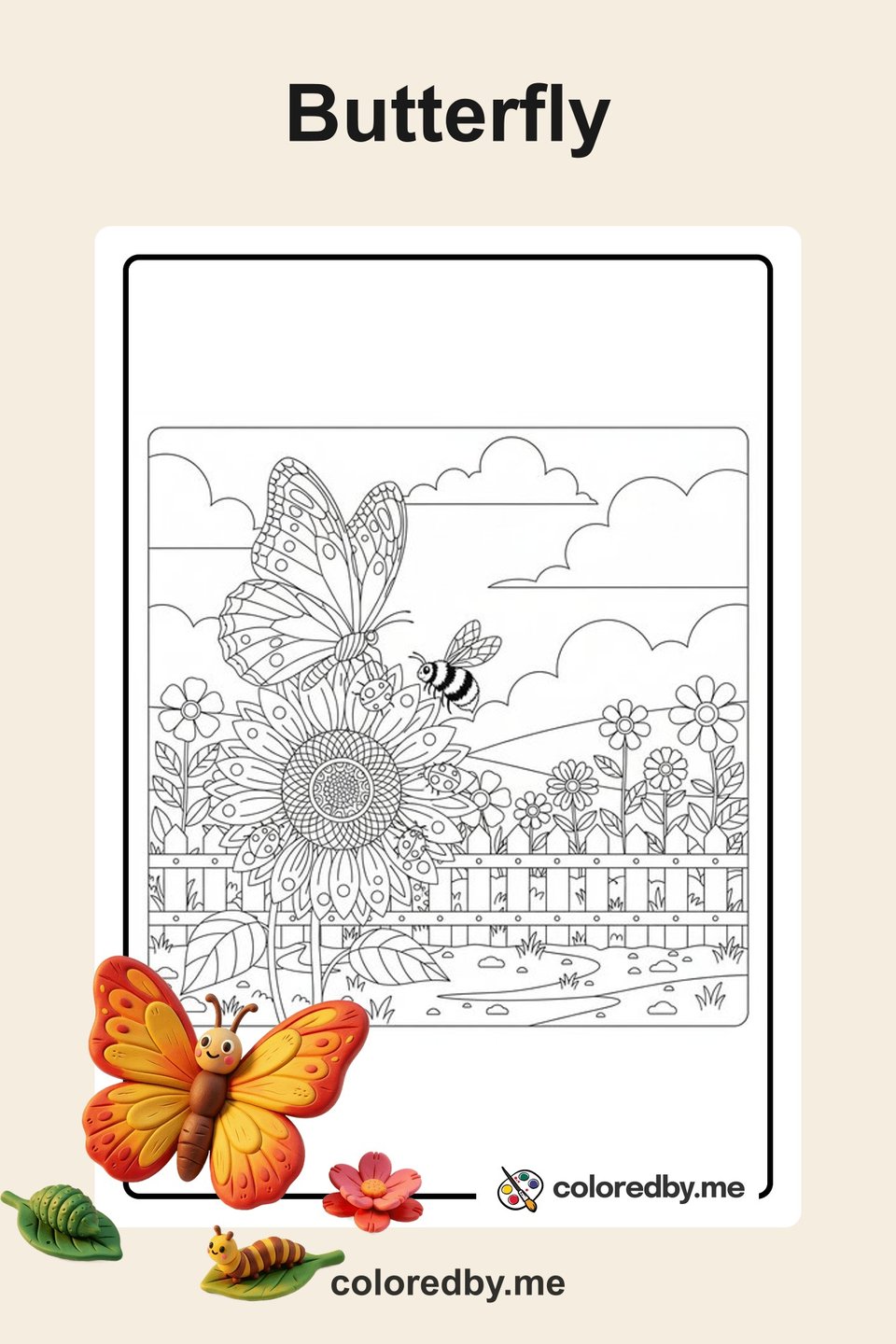
Butterfly
Free printable butterfly coloring pages for kids and adults. Beautiful wings, garden scenes, and detailed patterns to download and color.
Your next coloring page is one click away.
5 free pages every day. No sign-up needed.
Start creating free