
Flower Coloring Pages — Beautiful Botanical Designs to Print
Browse flower coloring pages with botanical designs for all ages. Learn color theory for flowers, seasonal themes, and illustration tips for stunning results.
 Marta Dexnis
Flower Coloring Pages — Beautiful Botanical Designs to Print
Flowers are one of the most universally loved subjects for coloring pages. Their natural symmetry, infinite variety, and vibrant colors make them appealing to colorists of every age and skill level. A single rose can be as simple or as complex as you want it to be, and a full garden scene can keep an experienced adult colorist engaged for hours.
Our flower coloring pages collection includes everything from single blooms to elaborate bouquets and garden landscapes. In this guide, we explore the most popular flower types featured in coloring pages, share botanical illustration tips, discuss color theory as it applies to flowers, and highlight seasonal flower themes.
Popular Flower Types in Coloring Pages
Different flowers lend themselves to different levels of complexity and different coloring experiences.
Roses
Roses are the most iconic flower in coloring pages. Their layered petals create natural depth and shadow, making them ideal for practicing shading techniques. A simple rose outline suits young children, while a detailed botanical rose with overlapping petals and thorny stems challenges advanced colorists. Roses also come in nearly every color imaginable — red, pink, yellow, white, orange, even lavender — so there is no wrong choice when picking up your pencils.
Sunflowers
Sunflowers are bold, cheerful, and structurally interesting. The large central disk surrounded by radiating petals teaches young children about symmetry and pattern. For older colorists, the central disk is filled with tiny florets that can be individually colored for a stunning textured effect. Sunflower pages work beautifully with warm color palettes — golden yellows, burnt oranges, and rich browns.
Daisies and Wildflowers
Daisy pages are excellent for beginners because the flower shape is simple: a circle of uniform petals around a central point. Wildflower meadow scenes combine daisies with other simple blooms like buttercups, poppies, and cornflowers, creating a colorful, low-pressure coloring experience where precision matters less than overall vibrancy.
Lilies, Orchids, and Tropical Flowers
These exotic flowers feature complex shapes that reward careful coloring. Lily petals curve and taper dramatically. Orchid blooms have intricate inner structures. Tropical flowers like hibiscus and bird of paradise introduce unusual color combinations — deep magentas, electric oranges, and vivid purples. These pages are favorites among adult colorists who want to experiment with bold, unconventional palettes.
Botanical Illustration Tips
Botanical illustration is a centuries-old tradition, and you can borrow its principles to elevate your flower coloring pages.
Start from the Center
When coloring a flower, begin with the center and work outward. This approach mirrors how a flower actually grows and helps you maintain consistent color relationships between the inner and outer petals. The center of a flower is often a different color or shade than the outer petals, so establishing it first gives you a reference point.
Observe Petal Overlap
In real flowers, petals overlap and cast shadows on each other. On a coloring page, you can suggest this by using slightly darker shades where one petal passes behind another. This small detail adds a surprising amount of realism. A flat, uniformly colored flower looks like a logo; a shaded one looks like a botanical study.
Pay Attention to Stems and Leaves
It is tempting to rush through the green parts, but stems and leaves deserve as much attention as the blooms. Use at least two shades of green — a lighter one for the main leaf surface and a darker one for the veins and the underside. Adding a touch of yellow-green where light hits the leaf and blue-green in the shadows creates a convincingly lifelike effect.
Use Reference Photos
Even though you are coloring a simplified page, glancing at a real photo of the flower can inspire your color choices and help you understand where shadows naturally fall. Keep a phone or tablet nearby with a reference image.
Color Theory for Flowers
Understanding a few basics of color theory can transform your flower coloring pages from pleasant to breathtaking.
Complementary Colors Create Contrast
Colors opposite each other on the color wheel create the strongest visual impact when placed side by side. Red flowers against green leaves, purple blooms in a yellow field, orange blossoms near blue water — these combinations naturally draw the eye. Many of the most striking real-world flower scenes rely on complementary color relationships.
Analogous Colors Create Harmony
Colors next to each other on the color wheel — like red, red-orange, and orange — blend smoothly and create a sense of warmth and cohesion. A bouquet colored in analogous warm tones feels unified and soothing. This approach works especially well for sunset garden scenes or autumn flower arrangements.
Warm and Cool Variations Within a Single Color
A red rose is not just red. The petals catching the light might lean toward warm orange-red, while the petals in shadow might lean toward cool blue-red. Using warm and cool variations of the same basic hue adds depth without requiring a complicated palette.
Seasonal Flower Themes
Flowers naturally connect to the seasons, and seasonal flower coloring pages make wonderful activities throughout the year.
Spring brings tulips, daffodils, cherry blossoms, and crocuses. Spring coloring pages pair beautifully with flower designs and often include butterflies and other spring-related elements for a complete seasonal scene.
Summer is the season of sunflowers, roses in full bloom, lavender fields, and wildflower meadows. Summer flower pages tend to be the most colorful and lively, perfect for bright marker sets.
Autumn features chrysanthemums, marigolds, and dried flower arrangements. The warm palette of fall — amber, rust, burgundy, and gold — gives these pages a cozy, harvest-time feeling.
Winter flower pages are less common but equally beautiful. Poinsettias, holly berries, and amaryllis are classic winter bloom subjects. These pages pair naturally with holiday coloring activities.
Flowers Meet Patterns
Some of the most popular flower coloring pages combine floral elements with geometric or decorative patterns. Mandala coloring pages frequently incorporate flower motifs — petals arranged in radial symmetry, vines winding through circular patterns, and blossoms filling ornamental frames. These hybrid designs appeal to adults who enjoy both the organic beauty of flowers and the satisfying precision of pattern work.
Create Your Own Flower Page
If you have a specific flower or arrangement in mind, our coloring page generator can create a custom design based on your description. You can also photograph a real bouquet or garden and convert it into a printable coloring page with our photo to coloring page tool. This is a wonderful way to preserve memories of a special garden visit or a meaningful bouquet.
Conclusion
Flower coloring pages sit at the intersection of art, nature, and relaxation. They teach color theory through practice, introduce children to the beauty of the natural world, and offer adults a meditative creative outlet. With the right techniques and a willingness to experiment with color, even the simplest daisy page can become something beautiful. Browse our flower collection and let the petals inspire you.
Related coloring pages
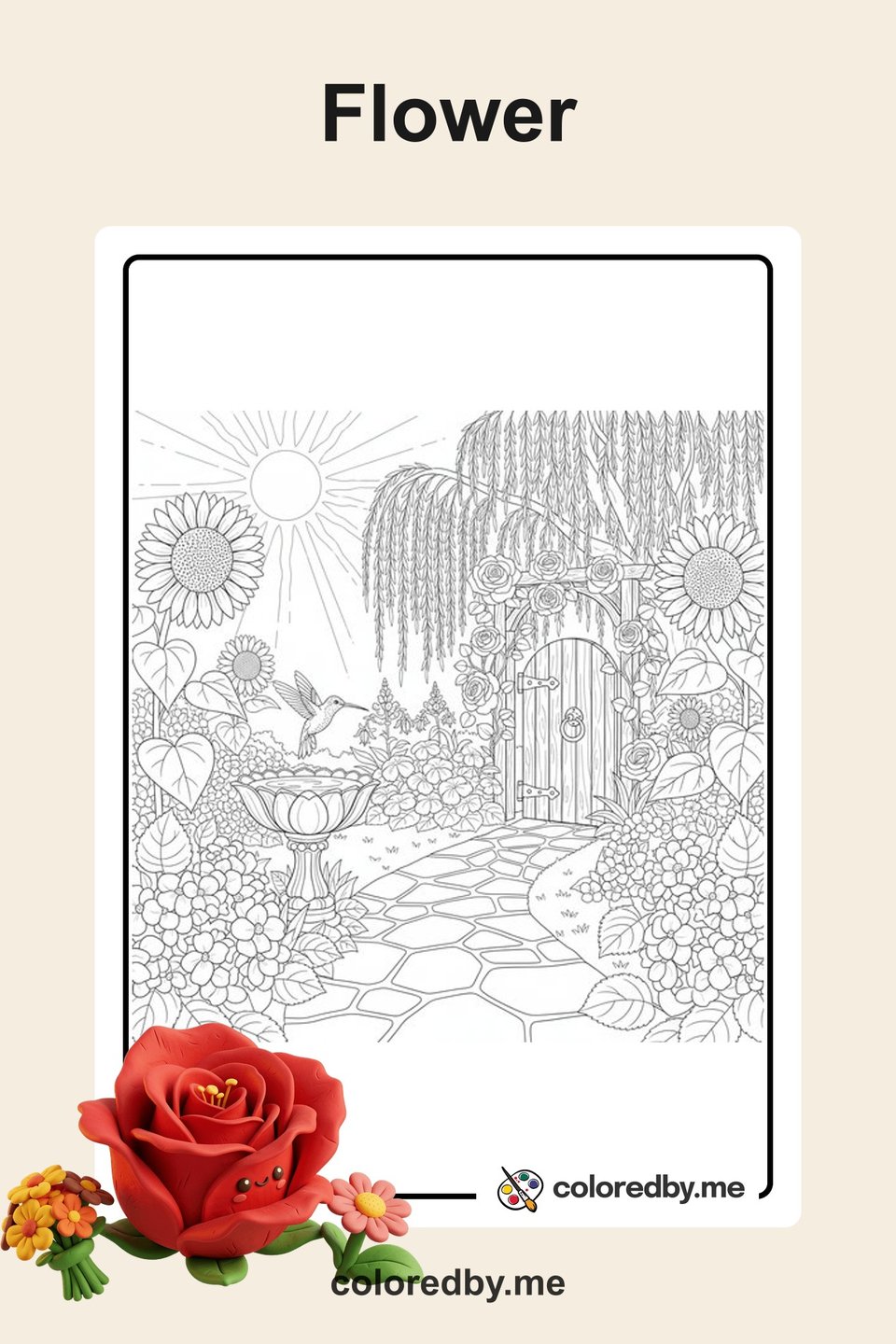
Flower
Free printable flower coloring pages for kids and adults. Roses, sunflowers, bouquets, and beautiful garden designs to download and color.
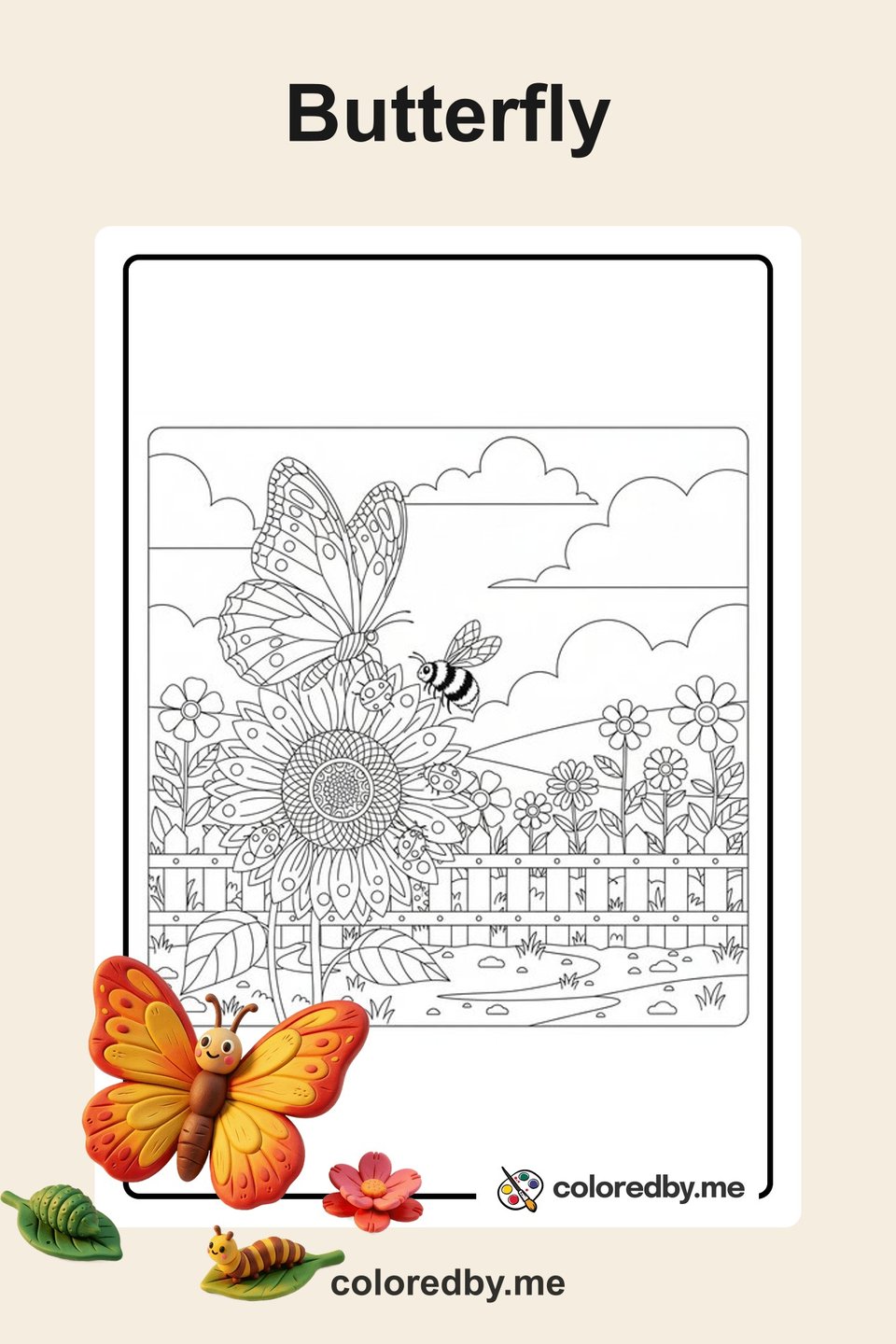
Butterfly
Free printable butterfly coloring pages for kids and adults. Beautiful wings, garden scenes, and detailed patterns to download and color.
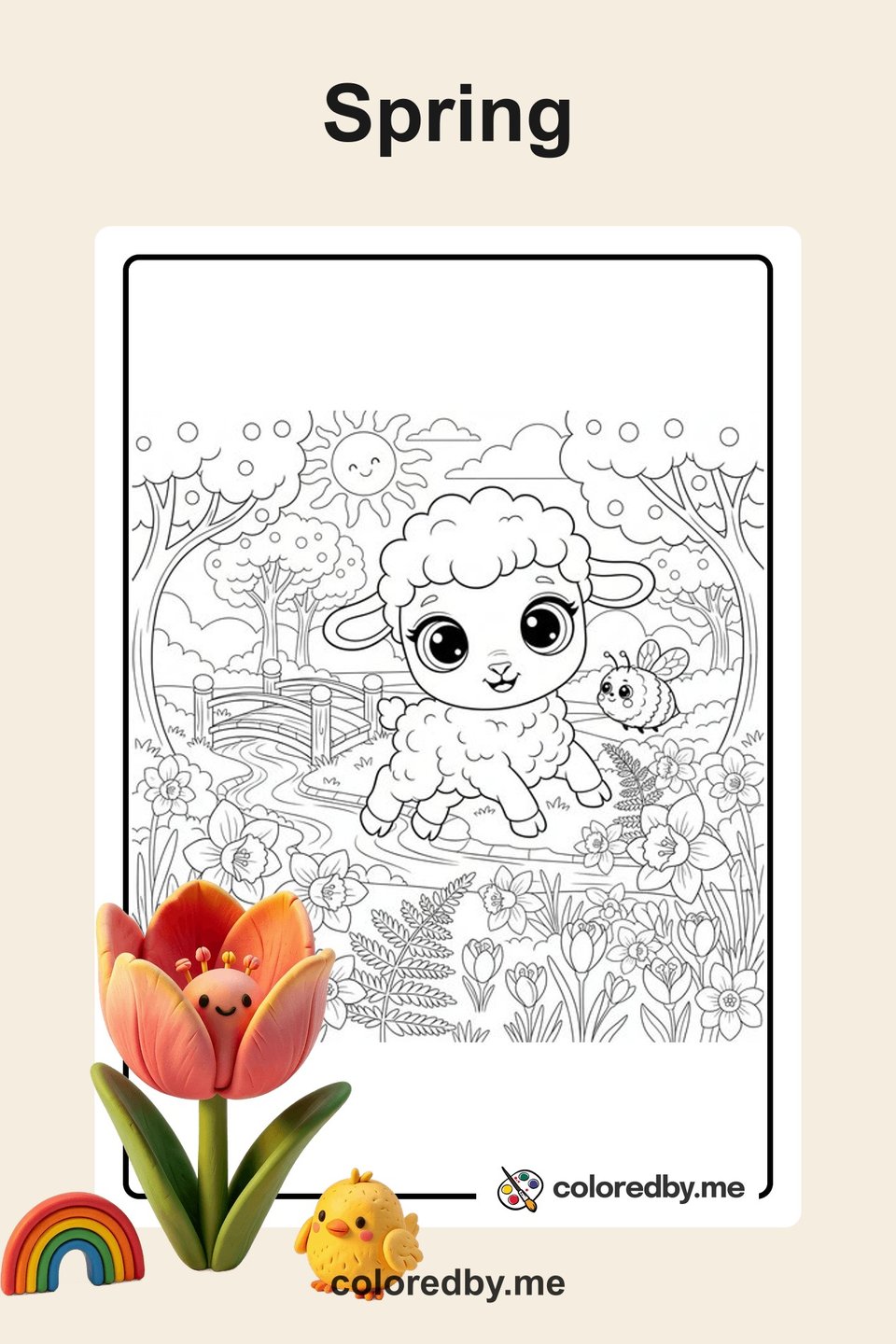
Spring
Free printable spring coloring pages for kids and adults. Blooming flowers, butterflies, and sunny springtime scenes to download and color.
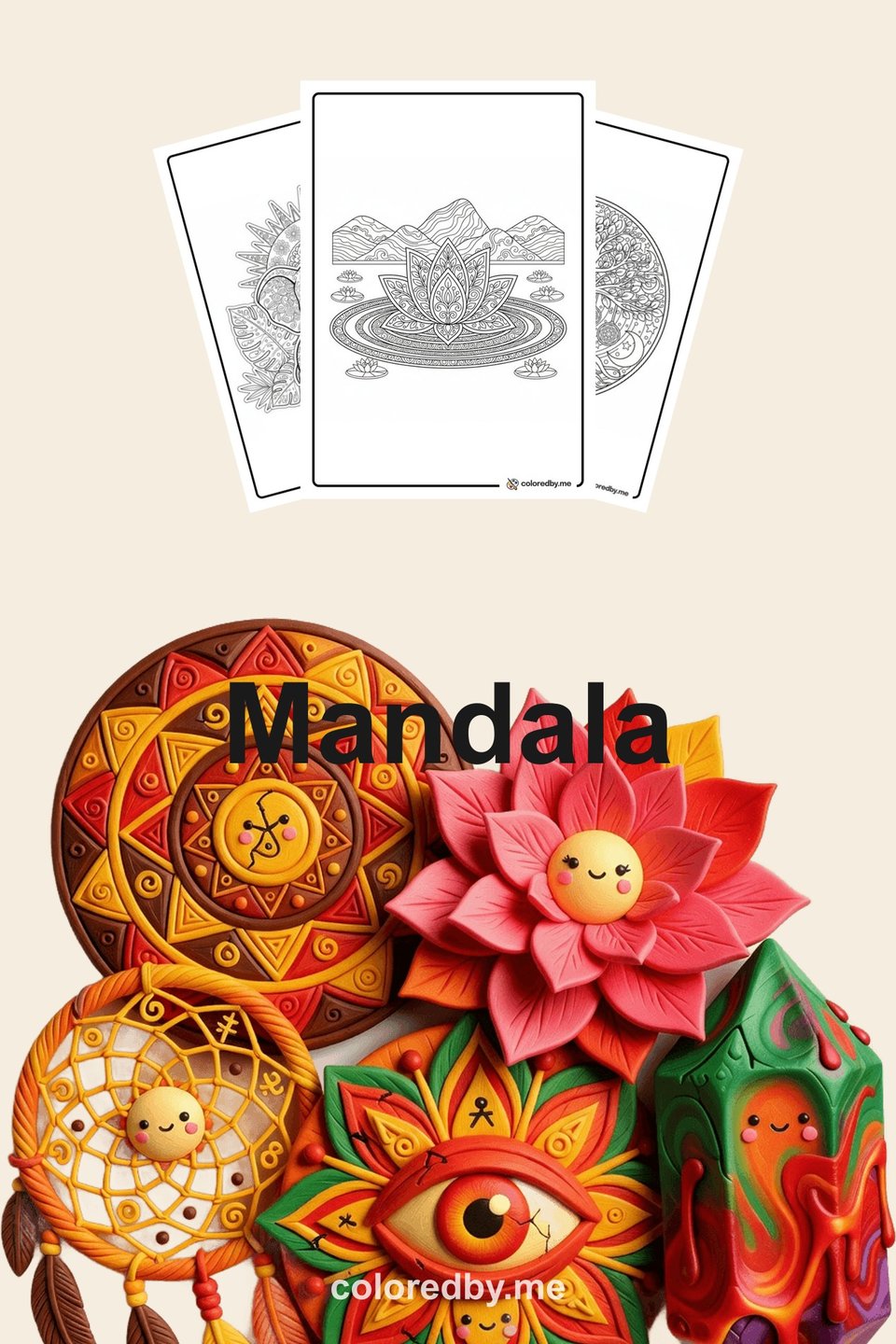
Mandala
Free printable mandala coloring pages for adults. Intricate geometric patterns, relaxing symmetrical designs for stress relief.
Your next coloring page is one click away.
5 free pages every day. No sign-up needed.
Start creating free