
Dog Coloring Pages — Popular Breeds & Cute Puppy Designs
Explore dog coloring pages featuring popular breeds, adorable puppies, and realistic designs. Tips for coloring fur textures and choosing the right style.
 Marta Dexnis
Dog Coloring Pages — Popular Breeds & Cute Puppy Designs
Dogs are among the most beloved subjects in the world of coloring pages. From floppy-eared puppies to majestic show dogs, there is something universally appealing about bringing a canine companion to life with color. Whether your child adores golden retrievers or you personally love the dignified look of a German shepherd, dog coloring pages offer an incredible range of designs for every age and skill level.
In this guide, we cover the most popular dog breed designs, the differences between puppy and adult dog pages, realistic versus cartoon styles, and practical tips for coloring convincing fur textures.
Popular Dog Breeds in Coloring Pages
Certain dog breeds appear in coloring pages more than others, largely because their features are distinctive and fun to color.
Labrador Retrievers and Golden Retrievers
These friendly breeds are a favorite for younger children. Their smooth coats and happy expressions make them approachable subjects. Labs come in chocolate, black, and yellow variations, which gives kids an opportunity to experiment with different color palettes for the same basic outline.
German Shepherds and Huskies
Working breeds like German shepherds and Siberian huskies have dramatic two-tone coats that make for striking coloring pages. The contrast between dark saddle markings and lighter undercoats teaches kids about color placement and natural patterning. Huskies in particular have piercing blue or brown eyes that become a focal point of the page.
Dalmatians and Beagles
Spotted and patterned breeds are naturally exciting to color. Dalmatians offer a lesson in patience — all those individual spots require careful attention. Beagles, with their tricolor coats of black, brown, and white, give colorists a chance to practice blending and transitioning between sections.
Small Breeds — Poodles, Pugs, and Chihuahuas
Small dogs have big personalities, and their coloring pages reflect that. Poodles with elaborate grooming styles are fun for kids who enjoy decorative details. Pugs and their wrinkled faces add a humorous element. Chihuahuas, with their oversized ears, are instantly recognizable even as simple line drawings.
Puppy Pages vs. Adult Dog Designs
The choice between puppy and adult dog coloring pages often depends on the age of the person coloring.
Puppy designs tend to feature rounder shapes, bigger eyes, and simpler outlines. They are ideal for children ages three to six who are still developing their fine motor skills. The softness of puppy features also means there is more forgiveness if colors go outside the lines.
Adult dog designs typically include more anatomical detail — defined muscle structure, realistic proportions, and intricate fur patterns. These pages suit older children and adults who enjoy a challenge. A detailed portrait of a border collie with its flowing coat, for instance, can occupy an experienced colorist for a full afternoon.
If you enjoy animal coloring pages in general, you might also explore our cat coloring pages for a different kind of pet portrait, or browse horse coloring pages for larger animal designs with equally beautiful textures.
Realistic vs. Cartoon Dog Styles
Dog coloring pages generally fall into two aesthetic categories, and each serves a different purpose.
Realistic Style
Realistic dog pages aim to capture the true appearance of a breed. They include accurate proportions, detailed fur lines, and natural poses. These pages work well for older kids and adults, and they pair beautifully with colored pencils or fine-tip markers where you can control shading.
Cartoon Style
Cartoon dog pages simplify features and exaggerate expressions. Big eyes, oversized paws, and goofy grins are common. These designs are perfect for young children and for anyone who wants a lighthearted, low-pressure coloring experience. Cartoon dogs also work well with crayons and broad-tip markers.
Some coloring pages blend both approaches — a recognizable breed drawn with slightly exaggerated features. This middle ground appeals to a wide audience and is often the most versatile choice for families where children of different ages are coloring together.
Tips for Coloring Fur Texture
Fur is what makes dog coloring pages both rewarding and challenging. Here are practical techniques to make your dog pages look their best.
Follow the Direction of Growth
Real fur grows in specific directions depending on the body part. On the back and sides, strokes should generally flow from the head toward the tail. On the legs, strokes go downward. On the face, fur radiates outward from the nose. Matching your pencil strokes to these natural directions creates a convincing effect even in a simple coloring page.
Layer Your Colors
Most dog coats are not a single flat color. A golden retriever might look simply "yellow" at first glance, but if you layer light yellow, warm ochre, and a touch of light brown, the result is far more lifelike. Start with the lightest shade over the entire area, then add darker tones along the back, under the chin, and around the ears.
Use Short Strokes for Short Fur, Long Strokes for Long Fur
A Labrador's sleek coat calls for tight, short pencil strokes. An Afghan hound's flowing hair demands long, sweeping lines. Matching your stroke length to the breed's actual coat type is one of the simplest ways to make your coloring page look polished.
Don't Forget the Eyes and Nose
The eyes and nose bring a dog portrait to life. Leave a tiny white highlight in each eye to create a sense of depth and liveliness. Color the nose with layered dark tones rather than solid black — adding a hint of dark brown or dark gray makes it look more natural.
Create Your Own Custom Dog Page
If you have a favorite breed that you cannot find in a standard collection, you can use our coloring page generator to create a custom design. Simply describe the breed and pose you want, and the tool produces a printable coloring page in seconds. You can also turn a photo of your own pet into a coloring page with our photo to coloring page tool — a wonderful way to create a personalized keepsake.
For more animal-themed coloring inspiration, check out our wolf coloring pages for wild canine designs that pair perfectly with a dog coloring collection.
Wrapping Up
Dog coloring pages are a timeless favorite for good reason. They combine the universal love of dogs with the satisfying, meditative practice of coloring. Whether you prefer a simple cartoon puppy or a detailed realistic portrait, the key is to enjoy the process. Pick a breed you love, choose your tools, and let the coloring begin.
Related coloring pages
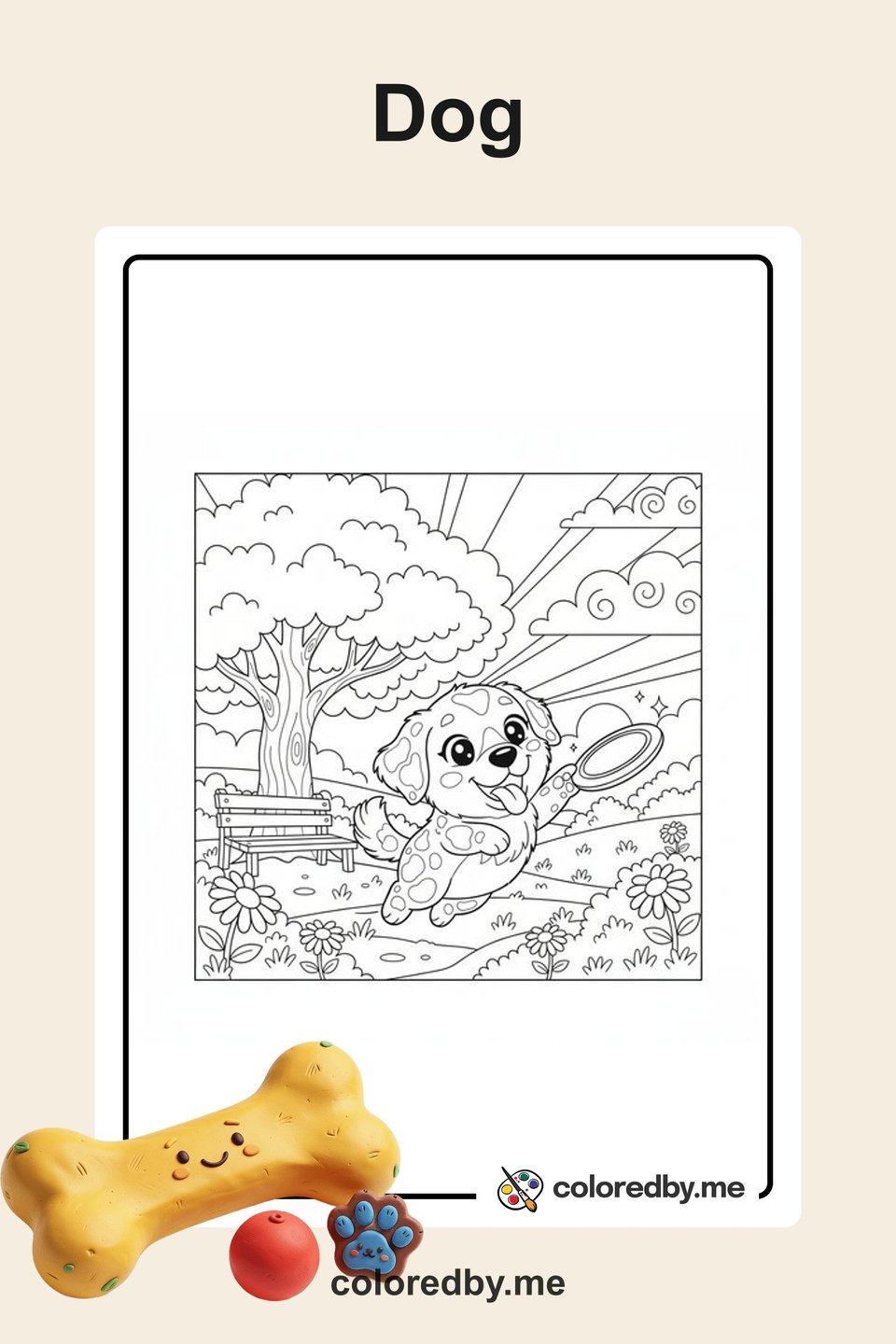
Dog
Free printable dog coloring pages for kids and adults. Adorable puppies, popular breeds, and playful pup designs to download and color.
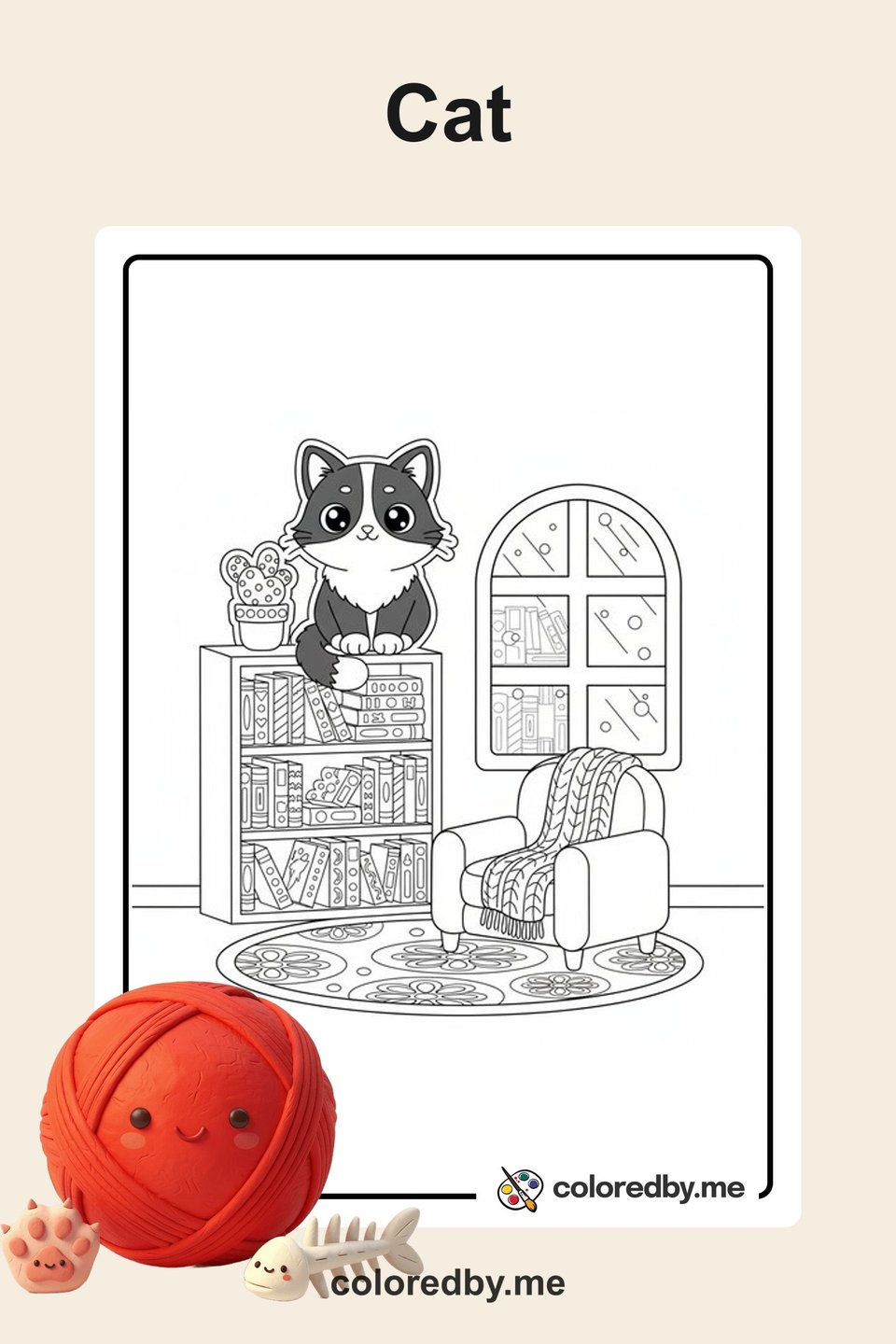
Cat
Free printable cat coloring pages for kids and adults. Cute kittens, playful cats, and detailed feline designs to download and color.
50 coloring pages
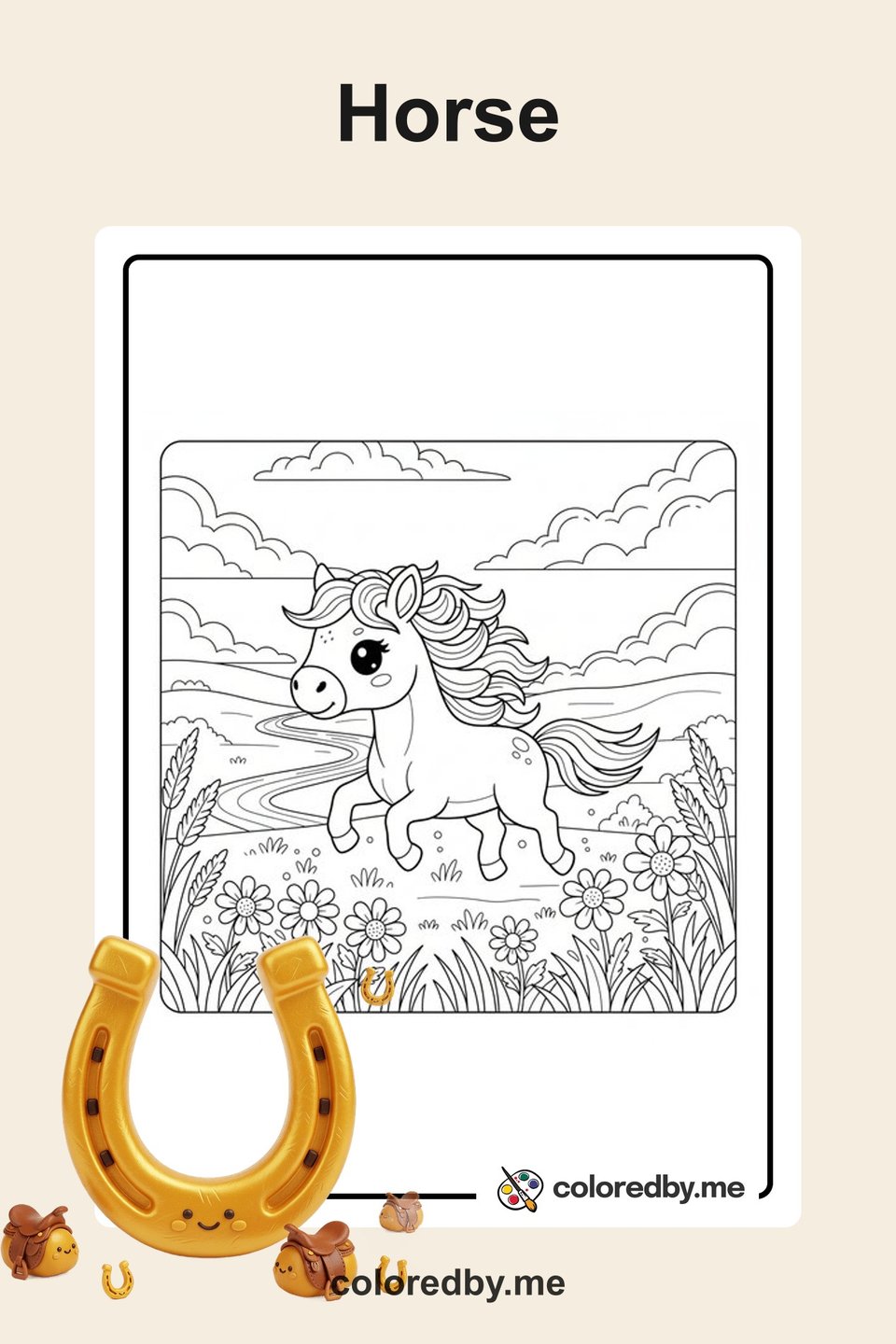
Horse
Free printable horse coloring pages for kids and adults. Beautiful stallions, ponies, and equestrian designs to download and color.
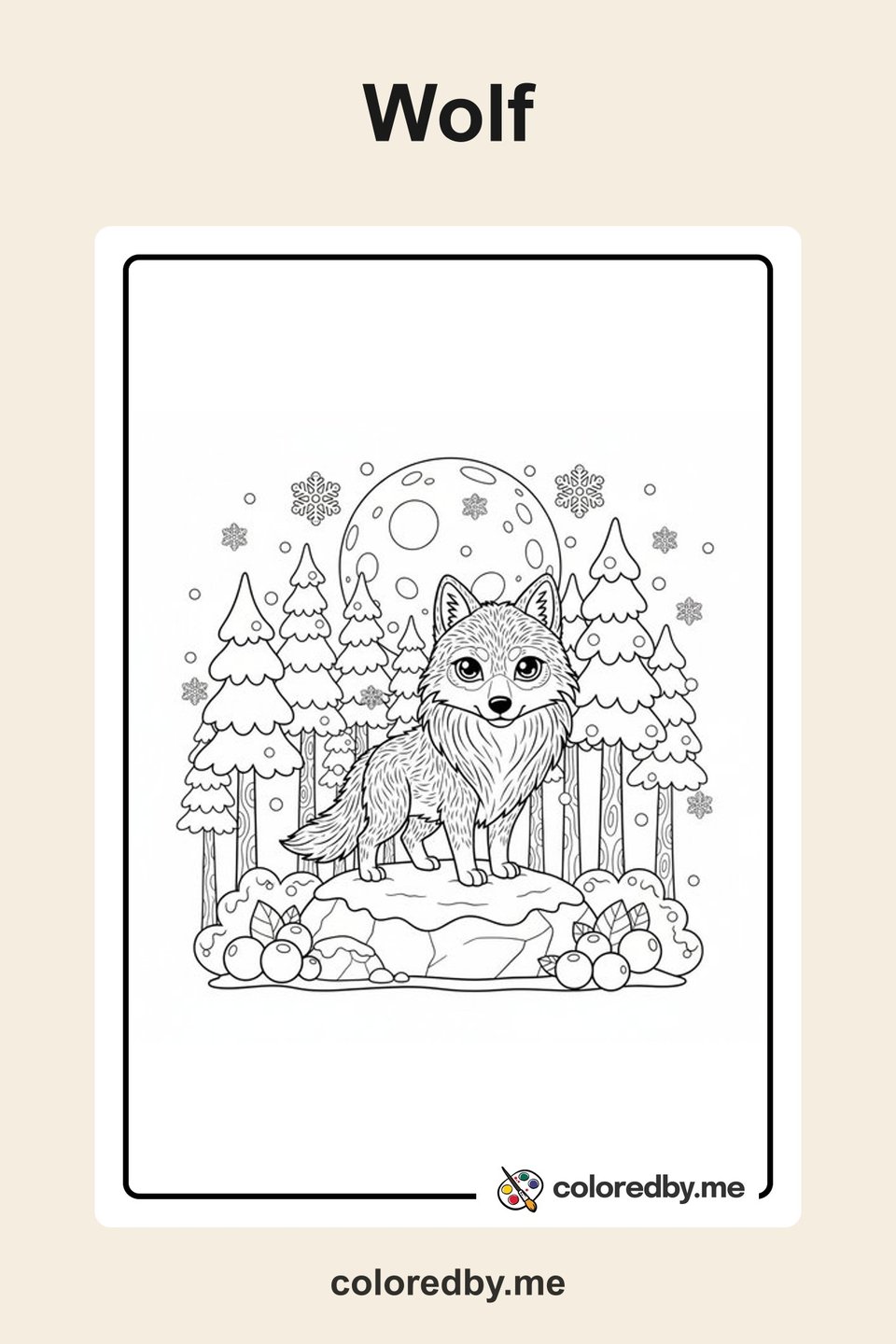
Wolf
Free printable wolf coloring pages for kids and adults. Howling wolves, forest pack scenes, and wild canine designs to download and color.
Your next coloring page is one click away.
5 free pages every day. No sign-up needed.
Start creating free