
Coloring Pages for Toddlers — Simple & Fun Printable Designs
Find the best coloring pages for toddlers ages 2-4. Simple outlines, thick lines, and fun designs that build fine motor skills and spark creativity.
 Marta Dexnis
Coloring Pages for Toddlers — Simple & Fun Printable Designs
Introducing coloring to toddlers is one of the most rewarding early childhood activities. Those first scribbles on a coloring page mark the beginning of creative expression, fine motor development, and a lifelong relationship with art. But not all coloring pages are suitable for the youngest colorists. Toddlers ages 2-4 need pages specifically designed for their developmental stage — simple shapes, thick outlines, and minimal detail.
This guide covers what to look for in toddler coloring pages, the best themes for young children, the developmental benefits of early coloring, and the tools that work best for little hands.
What Makes a Good Coloring Page for Toddlers
Thick, Bold Outlines
Toddlers are still developing hand-eye coordination and grip control. Thin, delicate lines are frustrating because small hands cannot color precisely enough to stay within them. Look for pages with outlines that are at least 3-4 millimeters thick. These bold borders are forgiving and give toddlers a clear visual guide without demanding perfection.
Simple Shapes and Minimal Detail
A toddler coloring page should feature one or two large, recognizable objects with very little interior detail. A single large cat face, a simple flower with five petals, or a round smiling sun are ideal. Avoid pages with multiple small elements, intricate patterns, or busy backgrounds — these overwhelm young children and often lead to frustration.
Familiar, Recognizable Subjects
Toddlers color with more enthusiasm when they recognize what they are coloring. Animals they see in daily life or in their favorite books are perfect. Cat coloring pages and dog coloring pages with simple, friendly faces are consistently popular with this age group. Butterfly coloring pages with large, symmetrical wings and flower coloring pages with basic petal shapes also work well.
Best Coloring Themes for Toddlers
Animals
Animals are the number one coloring theme for toddlers. Start with animals your child knows — the family pet, animals from a favorite book, or creatures they have seen at the park or zoo. Simple cat faces, round-bodied dogs, chubby birds, and smiling fish are all excellent choices. Keep each page focused on a single animal with a large, clear outline.
Nature
Simple nature designs are wonderful for toddlers. A large flower with a round center and wide petals. A smiling sun with triangular rays. A cloud with raindrops. A tree with a round canopy. These shapes are easy to recognize and satisfying to fill with color. Browse our flower coloring pages for designs that range from toddler-simple to more complex.
Everyday Objects
Toddlers are fascinated by the objects in their world. A ball, a house, a car, a cup, a star, a heart — these basic shapes make excellent coloring subjects. They reinforce shape recognition while providing a canvas for creative expression.
Developmental Benefits of Coloring for Toddlers
Fine Motor Skill Development
Gripping a crayon and making deliberate marks on paper requires coordination between the fingers, hand, wrist, and arm. Every coloring session strengthens these muscles and improves the neural pathways that control fine motor movement. This is directly connected to later skills like writing, buttoning clothes, and using scissors.
Color Recognition and Language
Coloring time is a natural opportunity to name colors. "You picked the red crayon. What a beautiful red cat!" This casual repetition helps toddlers learn color names and build vocabulary. As they grow, they begin choosing colors intentionally and can tell you why — "The sun is yellow!"
Focus and Attention Span
At age two, a child might color for only two or three minutes before moving on. By age four, that same child might sit and color for 15-20 minutes. Coloring gradually builds the ability to sustain attention on a single task, which is a foundational skill for school readiness.
Emotional Expression and Confidence
There is no wrong way to color a page. Even wild scribbles outside the lines are a form of self-expression. When a toddler finishes a page and shows it to a caregiver, the pride on their face is real. Praising the effort — not the precision — builds confidence and a positive attitude toward creative activities.
Best Coloring Tools for Toddlers
Jumbo Crayons
Large, thick crayons are the best coloring tool for toddlers. Their wide barrel fits comfortably in a small fist, and they are sturdy enough to withstand the heavy pressure that toddlers naturally apply. Triangular-shaped jumbo crayons are especially good because they do not roll off the table and encourage a proper grip. Look for non-toxic, washable options.
Washable Markers
Thick-barreled washable markers are another great choice. They require very little pressure to produce vivid color, which is satisfying for toddlers who might get frustrated with how lightly crayons mark at first. The washable formula means stray marks on skin, clothes, and furniture can be cleaned up easily.
Finger Crayons and Egg-Shaped Crayons
For the youngest toddlers (around age two) who have not yet developed a pencil grip, finger crayons and egg-shaped crayons fit naturally in a small palm. These allow children to make marks and experience coloring before they can hold a traditional crayon effectively.
What to Avoid
Skip fine-tipped markers, regular-sized colored pencils, and gel pens for toddlers. These tools are too thin to grip comfortably, too easy to break, and produce lines too fine for young children to see their work clearly.
Creating Custom Toddler Coloring Pages
If you want pages tailored specifically to your toddler's interests, our AI Coloring Page Generator can help. Include phrases like "simple outline for toddlers," "thick bold lines," or "very simple" in your prompt to guide the AI toward age-appropriate designs. For example, try "a simple large cat face with thick lines for a toddler" or "a big smiling sun with thick outlines, very simple."
You can also turn a photo of your child's favorite stuffed animal or pet into a simple coloring page using our Photo to Coloring Page tool. Toddlers light up when they recognize something personal on their coloring page.
Tips for Coloring Sessions with Toddlers
Keep sessions short. Five to ten minutes is plenty for most toddlers. Let them stop when they lose interest rather than pushing them to finish a page. They can always come back to it later.
Color together. Sit beside your toddler and color your own page. This models the activity, keeps them engaged, and creates a shared experience.
Praise the process, not the result. "You are working so hard on that!" and "I love the colors you chose!" are more meaningful than "That looks perfect." Toddlers respond to encouragement that values effort and creativity.
Offer limited choices. Instead of a full box of 64 crayons, put out 4-6 colors. Too many options can overwhelm a toddler. Rotate the available colors between sessions to keep things fresh.
Protect your surfaces. Use a placemat or newspaper under the coloring page. Toddlers color outside the lines and outside the page — it is completely normal and part of the learning process.
Start Your Toddler's Coloring Journey
The right coloring page can spark a love of creativity that lasts a lifetime. Start with simple cat, dog, butterfly, and flower designs, keep the tools toddler-friendly, and let your little one explore color at their own pace. Every scribble is progress, and every page is a step toward confident, creative expression.
Related coloring pages
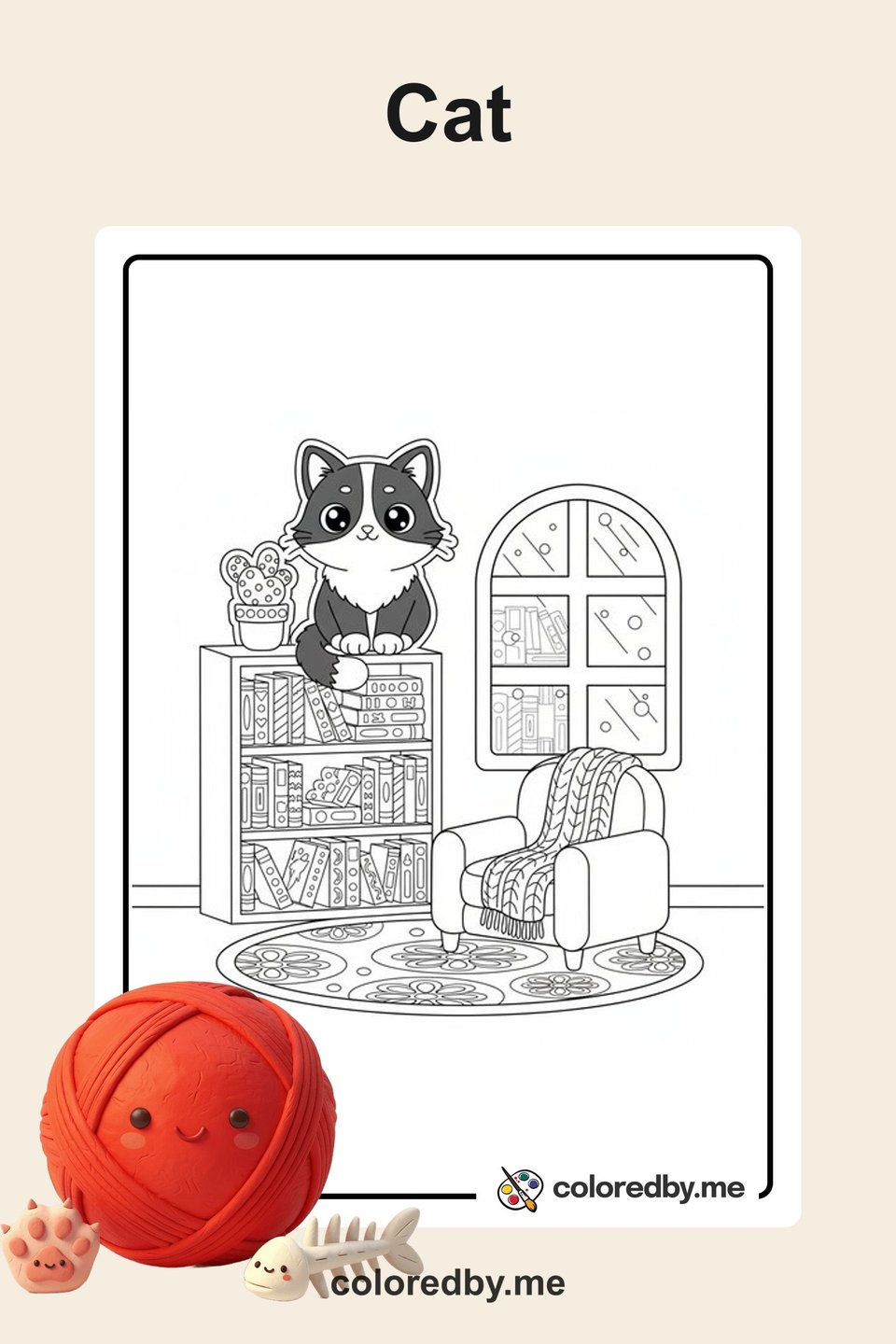
Cat
Free printable cat coloring pages for kids and adults. Cute kittens, playful cats, and detailed feline designs to download and color.
50 coloring pages
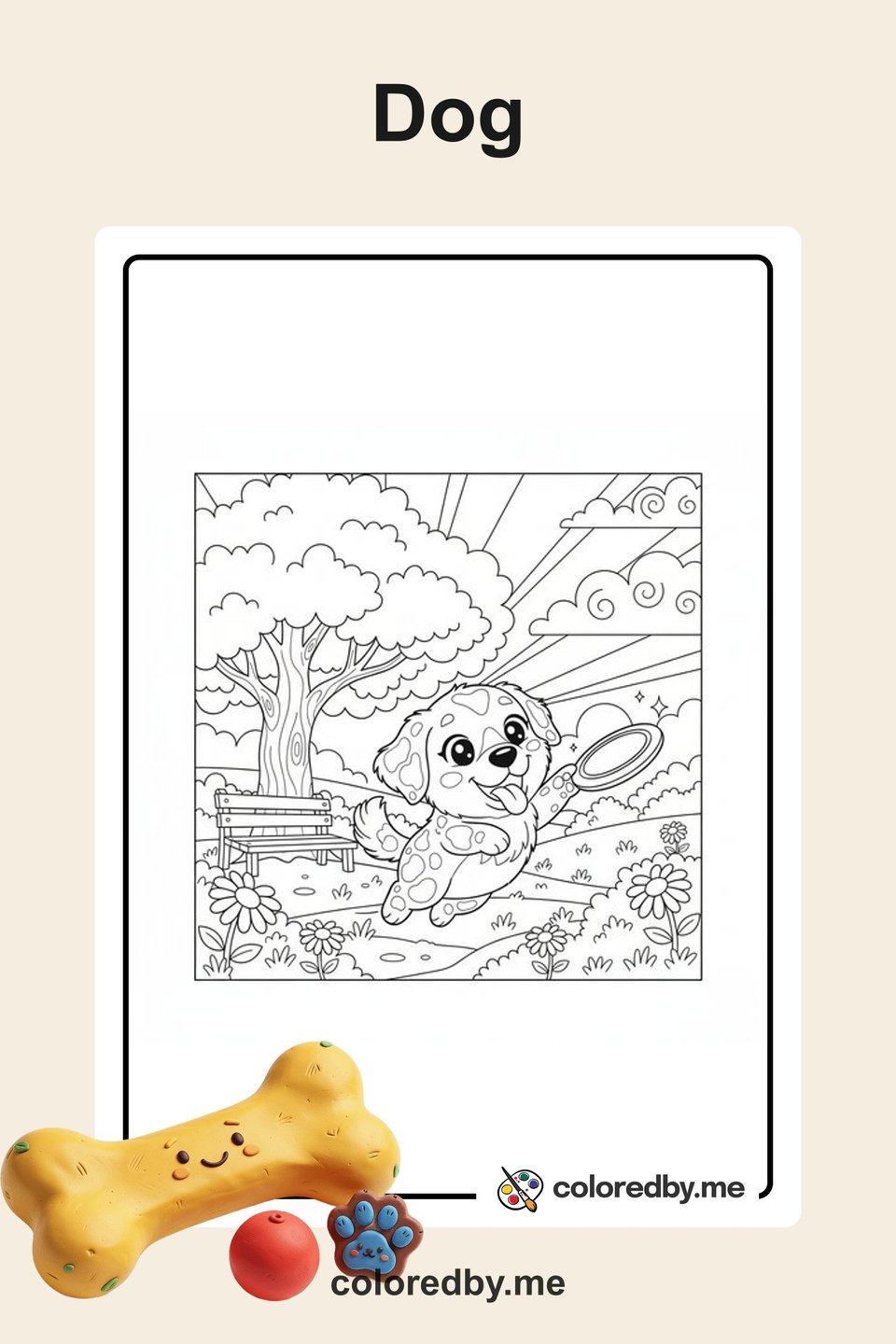
Dog
Free printable dog coloring pages for kids and adults. Adorable puppies, popular breeds, and playful pup designs to download and color.
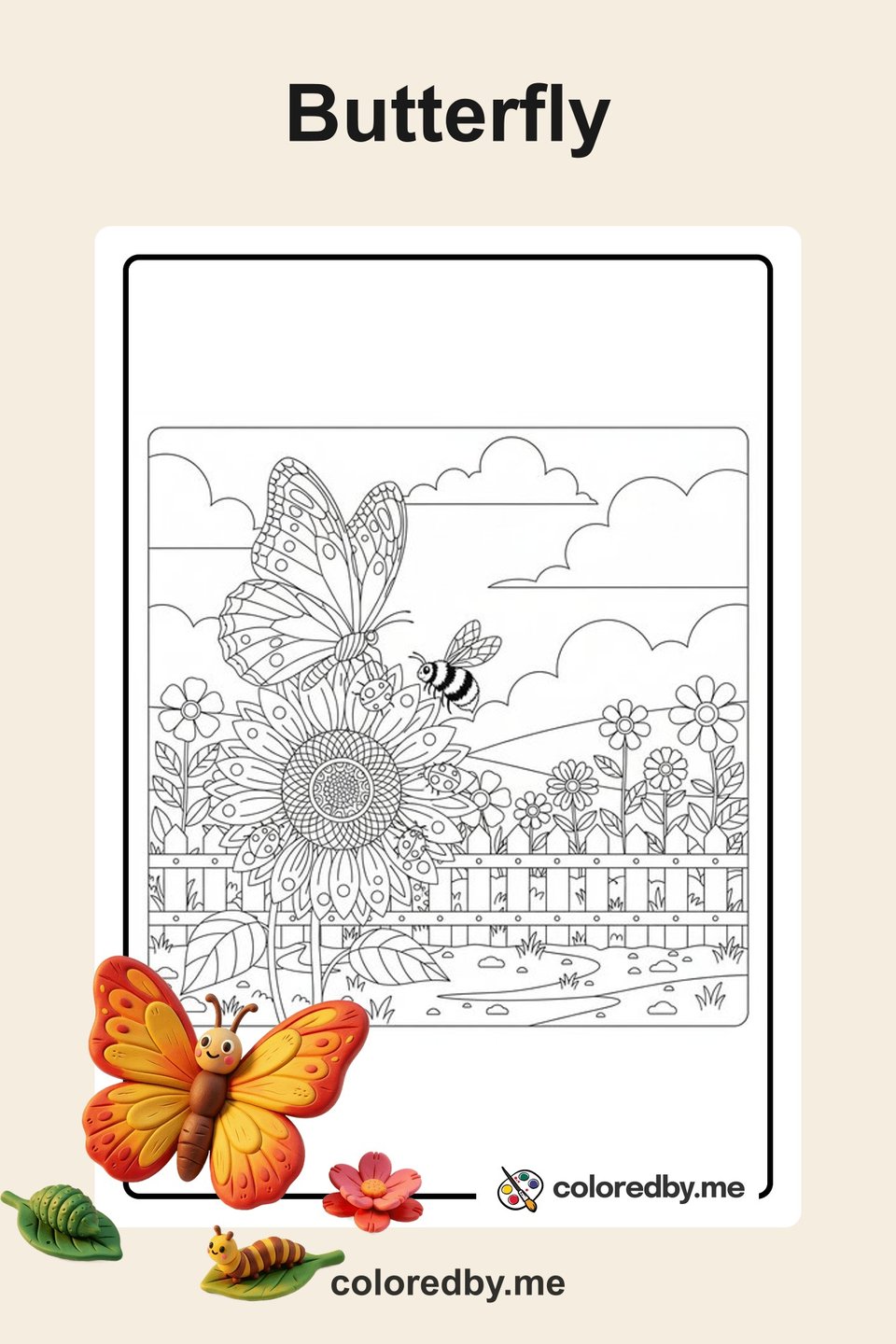
Butterfly
Free printable butterfly coloring pages for kids and adults. Beautiful wings, garden scenes, and detailed patterns to download and color.
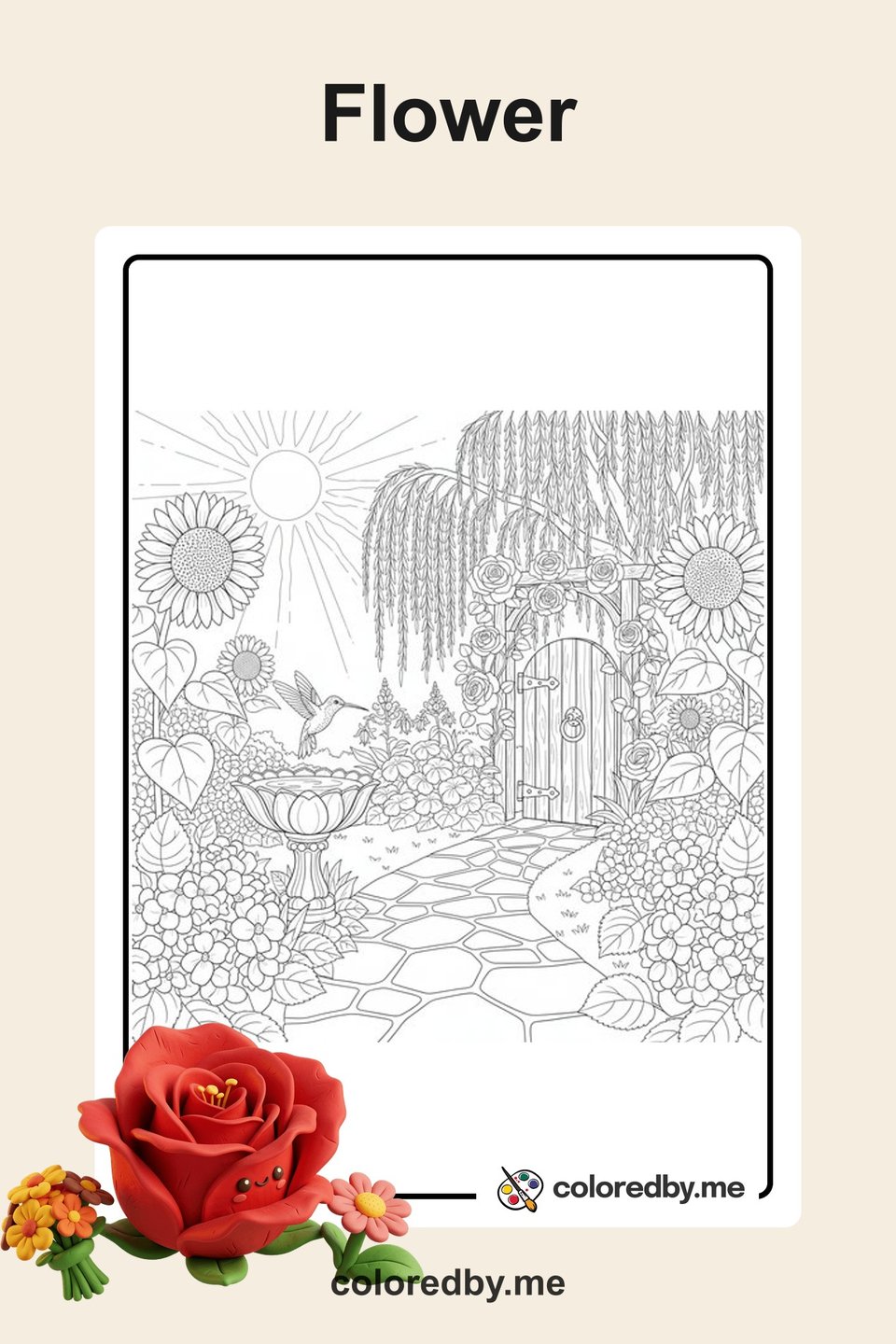
Flower
Free printable flower coloring pages for kids and adults. Roses, sunflowers, bouquets, and beautiful garden designs to download and color.
Your next coloring page is one click away.
5 free pages every day. No sign-up needed.
Start creating free