
Benefits of Coloring for Children — Why Every Kid Should Color
Learn the proven benefits of coloring for children including fine motor skills, creativity, focus, and emotional expression. A guide for parents and educators.
 Marta Dexnis
Benefits of Coloring for Children — Why Every Kid Should Color
In an era dominated by screens and digital entertainment, coloring pages remain one of the most valuable activities you can offer a child. They are inexpensive, require no electricity, and provide benefits that extend far beyond simply filling in shapes with color. Research in child development consistently shows that coloring supports fine motor skills, cognitive growth, emotional regulation, and creative expression.
This guide breaks down the specific developmental benefits of coloring, explains why they matter at different ages, and suggests how parents and educators can make the most of coloring time.
Fine Motor Skills and Hand Strength
Coloring is one of the earliest and most effective ways children develop the fine motor control they will need for writing, drawing, buttoning clothes, and countless other daily tasks.
Grip Development
When a child picks up a crayon or colored pencil, they are practicing their grip. Toddlers typically begin with a fist grip and gradually progress to a more refined tripod grip — the same grip used for writing. Regular coloring accelerates this progression naturally. The more time a child spends holding coloring tools, the stronger and more coordinated their hand muscles become.
Hand-Eye Coordination
Coloring requires children to coordinate what their eyes see with what their hands do. Staying within the lines of a cat coloring page or carefully filling in the scales on a dinosaur coloring page demands that the brain, eyes, and hand muscles all work together. This coordination is foundational for tasks like catching a ball, using scissors, and eventually handwriting.
Pressure Control
Children learn to control how hard they press when they color. Pressing too hard breaks crayons and tears paper; pressing too lightly produces faint, unsatisfying color. Finding the right pressure is a surprisingly sophisticated skill that translates directly to writing with pencils and pens.
Creativity and Self-Expression
Coloring pages provide a structured canvas for creative exploration. Unlike a blank sheet of paper, which can be intimidating, a coloring page offers a framework that makes creative decisions feel manageable.
Color Choice as Creative Decision-Making
Every time a child decides to make a horse blue or a tree purple, they are making a creative choice. There is no wrong answer in coloring, and this freedom encourages children to experiment, take risks, and develop their own aesthetic preferences. Over time, children develop a sense of what colors work well together — an early form of design thinking.
Storytelling Through Images
Children often create narratives around the pages they color. A unicorn coloring page might become part of an elaborate story about a magical kingdom. A page full of animals might prompt a child to imagine a zoo or a safari adventure. This narrative impulse strengthens language skills and imagination simultaneously.
Building Confidence
Completing a coloring page gives children a tangible sense of accomplishment. They can hold up a finished page and say, "I made this." For children who struggle in academic areas, coloring offers an arena where there is no failure — only personal expression. Displaying finished pages on a refrigerator or bulletin board reinforces this confidence.
Focus, Patience, and Attention Span
Coloring requires sustained attention, and this is one of its most underappreciated benefits.
Building Attention Span Gradually
A young child might spend only three to five minutes coloring before losing interest. Over weeks and months, that window expands as the child's attention span grows. By offering progressively more detailed pages — starting with simple large shapes and moving to more intricate designs — parents and teachers can gently stretch a child's capacity for focused work.
Practicing Patience
Detailed coloring pages cannot be rushed. A complex page with many small sections teaches children that some activities require patience and that the reward comes from the process, not just the result. This is a valuable lesson in a world that increasingly favors instant gratification.
Calming Overstimulated Children
Many parents and teachers have noticed that coloring has a calming effect on children who are overstimulated, anxious, or wound up. The repetitive motion and focused attention required by coloring engage the mind just enough to quiet racing thoughts. This is why coloring is a common tool in pediatric therapy settings and calm-down corners in classrooms.
Cognitive Development and Learning
Coloring supports several areas of cognitive development that may not be immediately obvious.
Color Recognition and Vocabulary
Coloring is one of the primary ways young children learn to identify and name colors. A child working on a coloring page might learn the difference between "red" and "crimson" or "blue" and "navy." This expanded color vocabulary extends their descriptive language overall.
Spatial Awareness
Coloring within boundaries teaches children about spatial relationships — where one shape ends and another begins, how small details fit within larger forms, and how to navigate a two-dimensional space. These spatial skills are important for mathematics, reading, and scientific reasoning.
Pattern Recognition
Many coloring pages feature repeating patterns — stripes on a tiger, spots on a leopard, petals on a flower. Recognizing and reproducing these patterns exercises the same cognitive muscles used for math sequences, reading patterns in language, and understanding cause and effect.
Emotional Expression and Regulation
Coloring provides a safe, non-verbal channel for emotional expression, which is especially important for children who are still developing their ability to articulate feelings in words.
Processing Emotions Through Art
A child who is feeling angry might press harder and choose dark, intense colors. A child who is feeling happy might gravitate toward bright yellows and pinks. These choices are a form of emotional communication, and attentive parents or teachers can use them as conversation starters. "I notice you chose a lot of red today — how are you feeling?"
Routine and Comfort
Coloring can become a comforting routine. A child who colors for fifteen minutes before bed, for instance, develops a calming ritual that signals the transition from active play to quiet time. Routines like this help children feel safe and manage transitions, which can be especially helpful for children with anxiety or sensory processing differences.
Shared Activity and Connection
When parents or siblings sit down and color together, it creates a low-pressure social setting where conversation flows naturally. Children are often more willing to talk about their day, their worries, or their ideas when their hands are busy and the pressure of face-to-face conversation is reduced.
Making the Most of Coloring Time
Here are practical suggestions for maximizing the benefits of coloring at home or in the classroom.
Offer variety. Rotate through different themes to keep interest alive. One day might feature dinosaur coloring pages, the next unicorn pages, and the next cat pages. Our site has dozens of categories to explore.
Match complexity to ability. Give toddlers pages with large, simple shapes. Give school-age children progressively more detailed designs. Give older children pages with fine details and many sections. Matching the difficulty to the child prevents both boredom and frustration.
Provide quality tools. You do not need expensive supplies, but having colored pencils, crayons, and markers in good condition makes a difference. Broken crayons and dried-out markers are frustrating for children.
Create without a custom page. Use our coloring page generator to create pages tailored to a child's current interests. If your child is obsessed with space this week, generate a custom space-themed page. If they adore cats, create a personalized cat design.
Display the work. Hanging finished pages where the child can see them reinforces the value of their effort and encourages them to keep creating.
Conclusion
Coloring is far more than a way to keep children busy. It is a developmental powerhouse that builds motor skills, nurtures creativity, extends attention span, supports cognitive growth, and provides a safe outlet for emotional expression. The best part is that children do not experience it as "learning" — they experience it as fun. Give a child a coloring page and a handful of crayons, and you have given them one of the simplest, most effective tools for growth available.
Related coloring pages
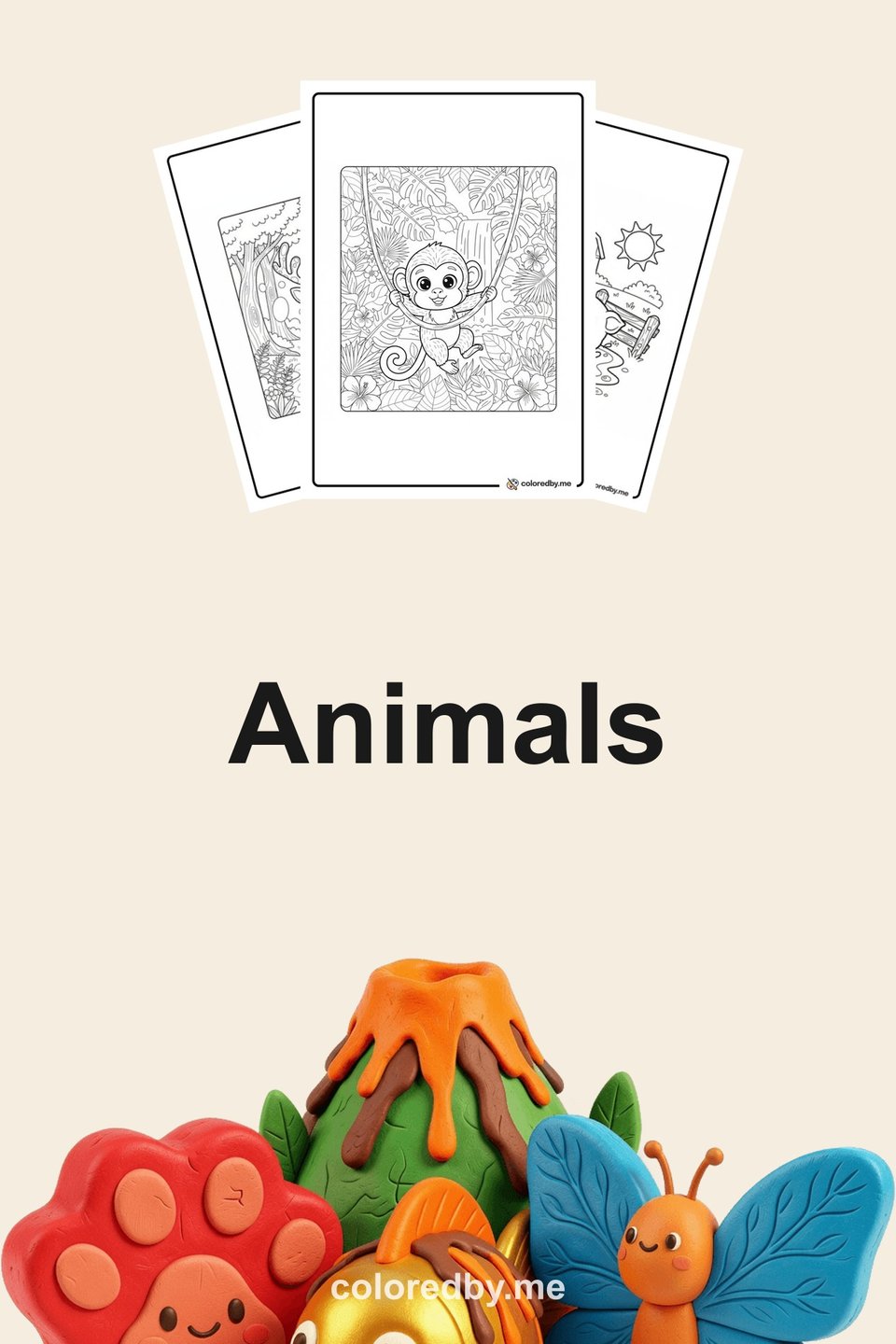
Animals
Browse our collection of free printable animal coloring pages. Lions, elephants, cats, dogs, and dozens more for kids and adults to enjoy.
50 coloring pages
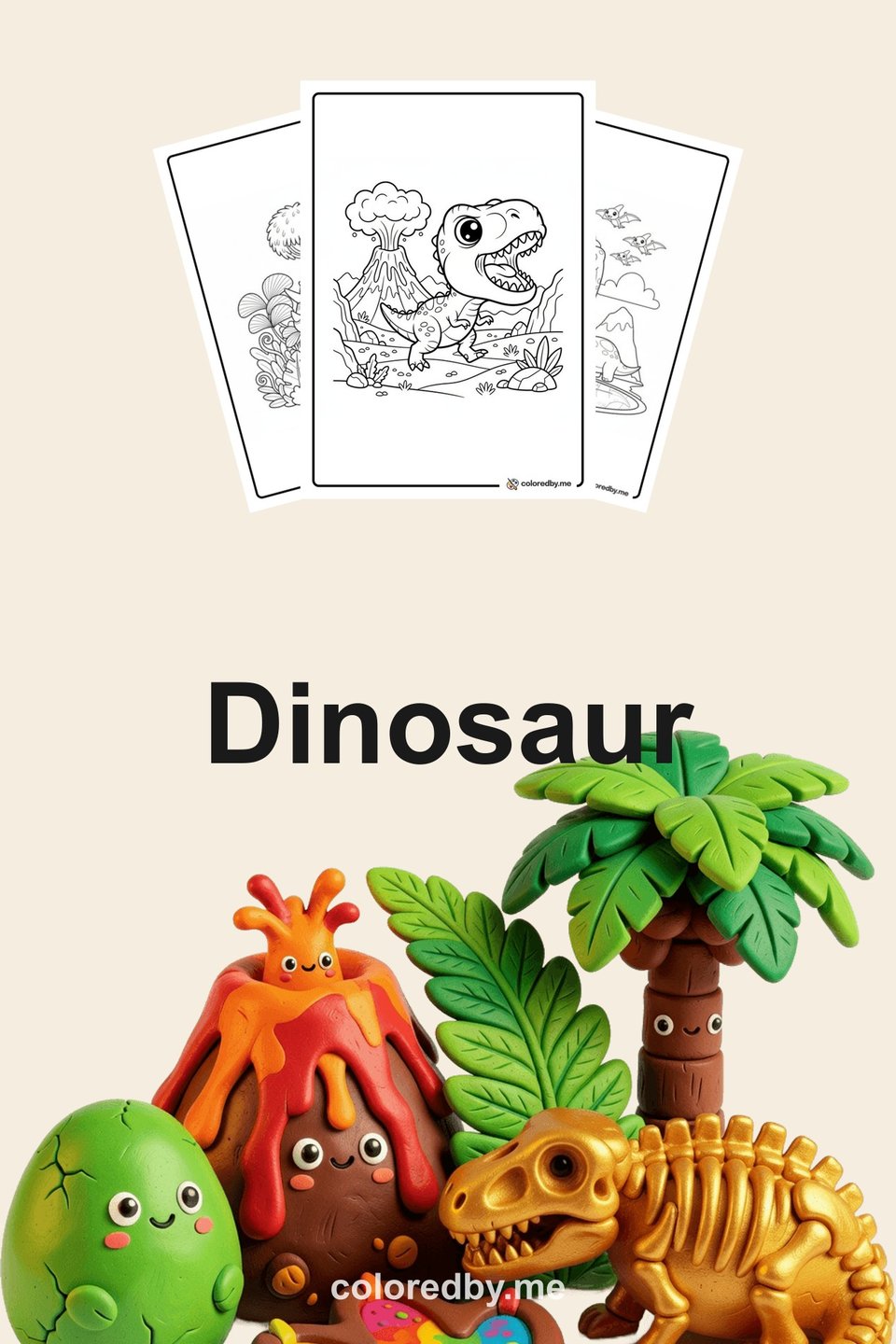
Dinosaur
Free printable dinosaur coloring pages for kids. T-Rex, triceratops, and prehistoric adventure scenes to download and color.
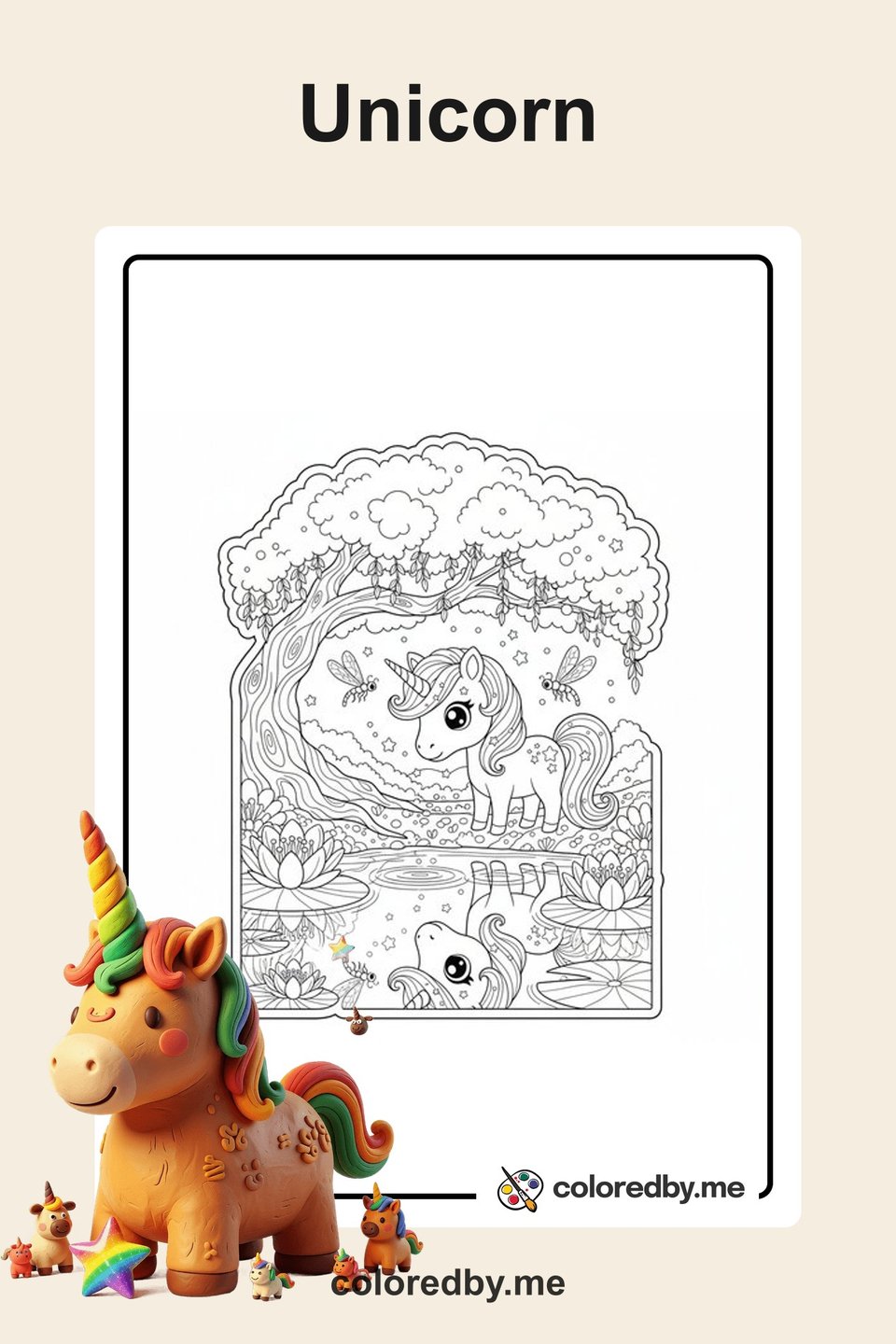
Unicorn
Free printable unicorn coloring pages for kids. Magical unicorns, rainbow manes, and enchanted fantasy scenes to download and color.
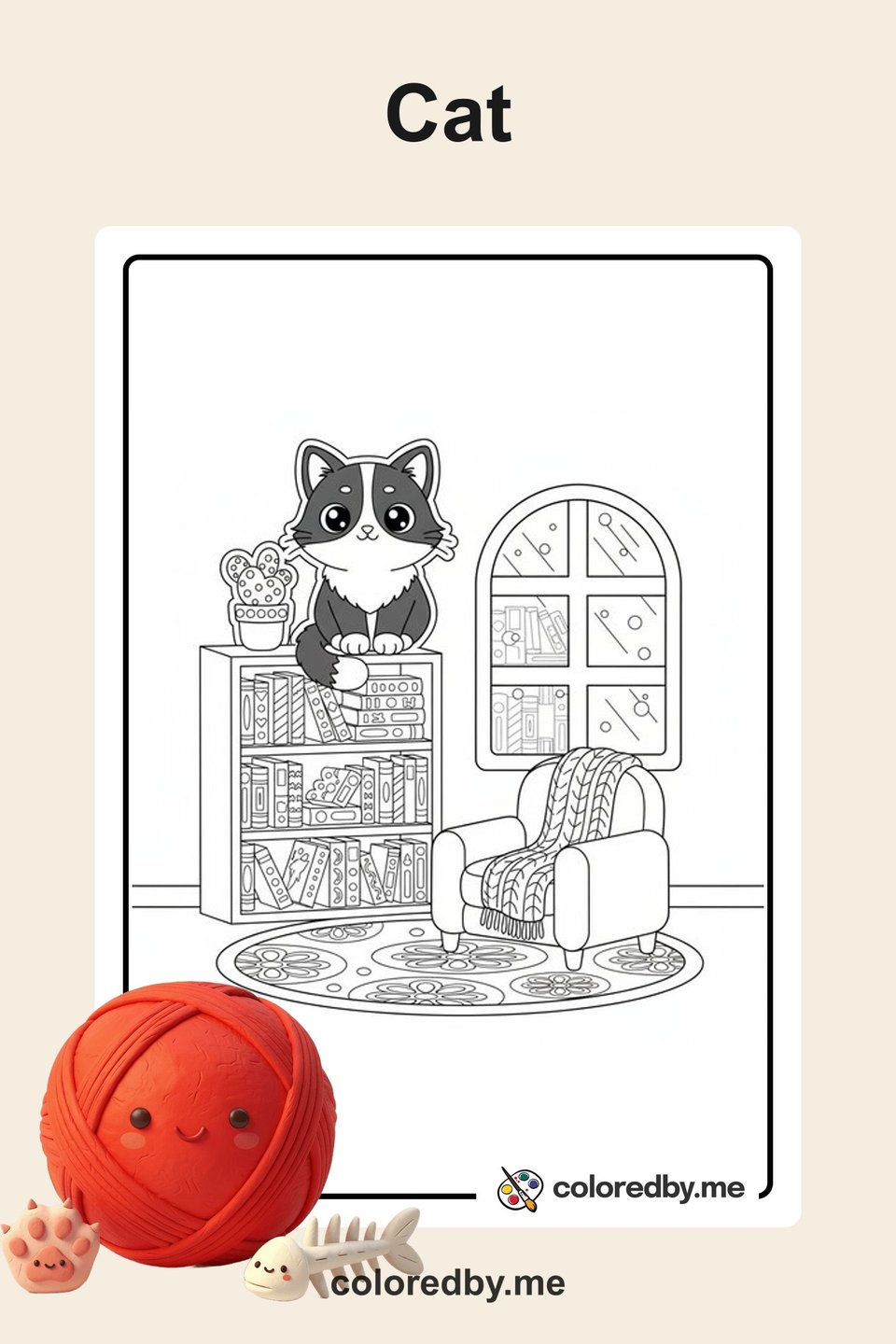
Cat
Free printable cat coloring pages for kids and adults. Cute kittens, playful cats, and detailed feline designs to download and color.
50 coloring pages
Your next coloring page is one click away.
5 free pages every day. No sign-up needed.
Start creating free